
Decision Visibility and KPI Architecture
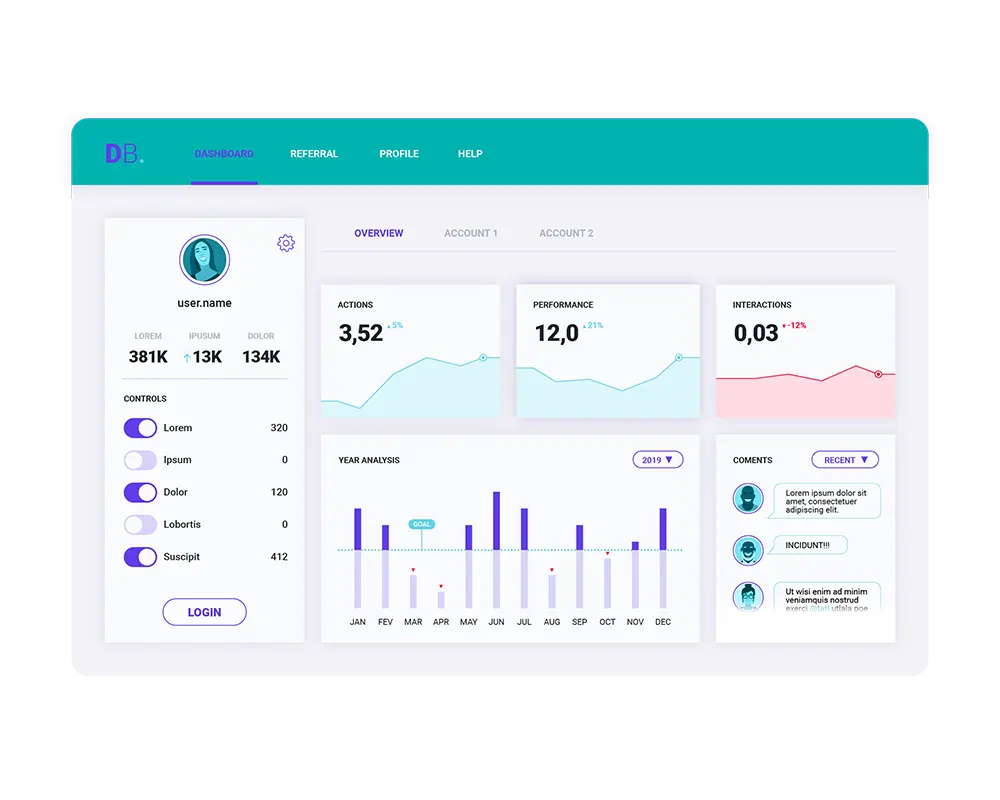
Visibility That Strengthens Decisions
Most organizations do not lack data. They lack structural clarity in how that data informs decisions.
Dashboards proliferate. Reports multiply. Yet instability persists because visibility is not aligned with decision ownership or trade-off exposure.
Information without governance increases noise.
The Financial Risk of Misaligned Metrics
When KPIs are not tied to explicit decision rights and economic consequences:
- Inventory exposure is hidden in averages
- Service risk is identified too late
- Margin erosion appears as variance rather than signal
- Leadership reacts to outcomes rather than managing exposure
Metrics should surface risk before it materializes financially.


What Changes Structurally
We design KPI frameworks that connect operational indicators directly to financial implications and decision authority.
Constraint exposure, working capital sensitivity, and trade-off thresholds are made explicit. Reporting cadence aligns with governance cadence, so visibility reinforces discipline rather than replacing it.
Clarity reduces reaction time.
Measurable Impact
A structured visibility architecture produces:
- Earlier identification of inventory and service risk
- Improved working capital transparency
- Reduced reactive escalation
- Clearer linkage between operational performance and financial outcomes
The objective is not more reporting. It is more intentional decisions.


Engagement Model
Engagements typically include diagnostic review of existing metrics, redesign of KPI structure aligned to governance model, and implementation of reporting cadence that supports executive oversight.
Scope is tailored to organizational complexity and data maturity.
The Financial Risk of Misaligned Metrics
When KPIs are not tied to explicit decision rights and economic consequences:
Read More
- Inventory exposure is hidden in averages
- Service risk is identified too late
- Margin erosion appears as variance rather than signal
- Leadership reacts to outcomes rather than managing exposure
Metrics should surface risk before it materializes financially.
What Changes Structurally
We design KPI frameworks that connect operational indicators directly to financial implications and decision authority.
Read More
Constraint exposure, working capital sensitivity, and trade-off thresholds are made explicit. Reporting cadence aligns with governance cadence, so visibility reinforces discipline rather than replacing it.
Clarity reduces reaction time.
Measurable Impact
A structured visibility architecture produces:
Read More
- Earlier identification of inventory and service risk
- Improved working capital transparency
- Reduced reactive escalation
- Clearer linkage between operational performance and financial outcomes
The objective is not more reporting. It is more intentional decisions.
Engagements are structured around governance assessment, redesign of decision forums, leadership integration, and transitional executive oversight. Scope is calibrated to organizational complexity and growth stage.
The objective is calm execution supported by clear executive intent.
Engagement Model
Engagements typically include diagnostic review of existing metrics,
Read More
redesign of KPI structure aligned to governance model, and implementation of reporting cadence that supports executive oversight.
Scope is tailored to organizational complexity and data maturity.
Why NexaFlux?
We do not build dashboards in isolation. We design visibility systems that reinforce disciplined decision architecture.
If reporting has improved but volatility remains, the issue is rarely data. It is alignment.